
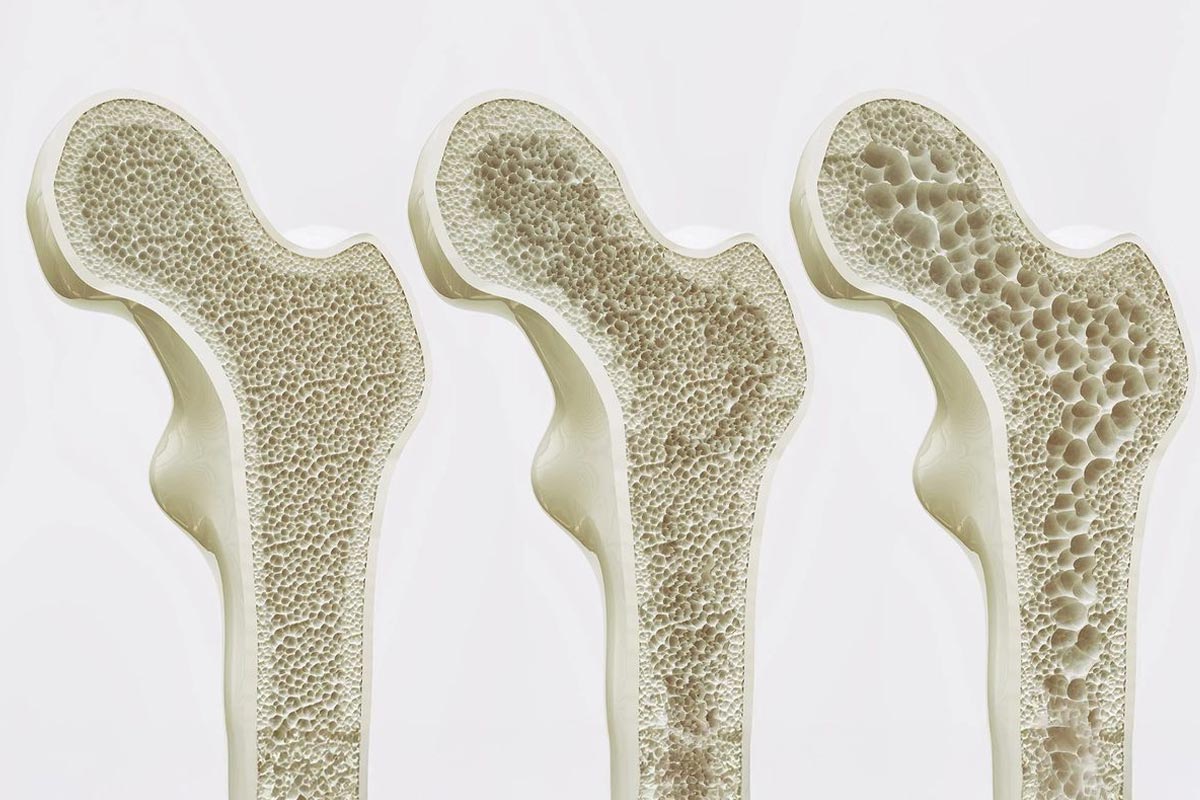
Strong bones are essential for maintaining mobility, posture, and overall health throughout life. Many people focus on muscle strength and fitness but often overlook the importance of bone health. Understanding the Nutrients Required for Strong Bones helps prevent fractures, bone density loss, and age-related skeletal disorders. Bones constantly undergo remodeling, which means old bone tissue is replaced with new tissue. For this process to work efficiently, the body needs specific nutrients that support bone strength and density.
In this comprehensive guide, we will explore the Nutrients Required for Strong Bones, how they work, and how you can incorporate them into your daily routine for long-term bone health.
Why Bone Health is Important
Bones provide structure, protect vital organs, anchor muscles, and store minerals like calcium and phosphorus. As we age, bone density naturally decreases, increasing the risk of osteoporosis and fractures. This is why understanding the Nutrients Required for Strong Bones is essential at every stage of life.
Healthy bones not only support physical movement but also help maintain overall body balance and metabolic functions. Poor nutrition can lead to brittle bones, joint discomfort, and increased injury risks. Ensuring the body receives the right Nutrients Required for Strong Bones helps maintain skeletal strength and flexibility.
How Bones Stay Strong
Bones remain strong through a process known as bone remodeling. During childhood and early adulthood, bone formation occurs faster than bone breakdown. However, as people age, this balance shifts, making the intake of Nutrients Required for Strong Bones extremely important.
Bone health depends on the availability of minerals, vitamins, and proteins that work together to build bone matrix and maintain bone density. Without proper intake of the Nutrients Required for Strong Bones, bones can become porous and weak over time.
Calcium – The Foundation of Bone Strength
Calcium is one of the most important Nutrients Required for Strong Bones. It forms the primary structural component of bones and teeth. Nearly 99% of the body’s calcium is stored in bones, highlighting its importance.
Benefits of Calcium for Bones
Helps build bone mass
Maintains bone density
Supports nerve and muscle function
Prevents bone loss
Sources of Calcium
Dairy products such as milk, yogurt, and cheese
Leafy green vegetables like spinach and kale
Almonds and sesame seeds
Fortified plant-based milk
Without adequate calcium intake, the body may pull calcium from bones, weakening their structure. This makes calcium one of the most critical Nutrients Required for Strong Bones.
Vitamin D – The Calcium Absorption Partner
Vitamin D plays a vital role in helping the body absorb calcium effectively. Without Vitamin D, calcium cannot be utilized properly, making it one of the key Nutrients Required for Strong Bones.
Benefits of Vitamin D
Improves calcium absorption
Supports bone mineralization
Reduces fracture risk
Supports immune health
Sources of Vitamin D
Sunlight exposure
Fatty fish like salmon and tuna
Egg yolks
Fortified foods
Many people suffer from Vitamin D deficiency, which directly impacts the availability of Nutrients Required for Strong Bones and leads to bone weakness.
Magnesium – The Bone Density Enhancer
Magnesium is another essential element among the Nutrients Required for Strong Bones. It helps convert Vitamin D into its active form, ensuring calcium absorption and bone formation.
Benefits of Magnesium
Supports bone structure
Helps regulate calcium levels
Improves bone density
Supports muscle relaxation
Sources of Magnesium
Nuts and seeds
Whole grains
Legumes
Dark chocolate
Adequate magnesium intake ensures the body can effectively utilize other Nutrients Required for Strong Bones.
Phosphorus – The Structural Support Mineral
Phosphorus works alongside calcium to strengthen bone structure. It forms hydroxyapatite crystals, which give bones rigidity. This makes phosphorus a vital part of the Nutrients Required for Strong Bones.
Benefits of Phosphorus
Builds bone and tooth structure
Supports cellular repair
Maintains mineral balance
Sources of Phosphorus
Dairy products
Fish and poultry
Whole grains
Nuts and seeds
Maintaining phosphorus balance is essential for ensuring the body receives complete Nutrients Required for Strong Bones.
Vitamin K – The Bone Binding Nutrient
Vitamin K helps activate proteins that bind calcium to bones. It plays a significant role in bone mineralization, making it one of the crucial Nutrients Required for Strong Bones.
Benefits of Vitamin K
Supports bone density
Reduces fracture risk
Helps calcium binding
Sources of Vitamin K
Green leafy vegetables
Broccoli
Brussels sprouts
Fermented foods
Including Vitamin K ensures proper utilization of other Nutrients Required for Strong Bones.
Protein – The Bone Matrix Builder
Protein forms nearly 50% of bone volume and contributes to bone flexibility and strength. It is a vital component of the Nutrients Required for Strong Bones.
Benefits of Protein for Bones
Builds bone tissue
Supports collagen production
Improves bone strength
Sources of Protein
Lean meats and fish
Eggs
Dairy products
Legumes and beans
Protein deficiency can lead to decreased bone mass, making it essential among the Nutrients Required for Strong Bones.
Zinc – The Bone Growth Mineral
Zinc helps stimulate bone-building cells and supports bone tissue regeneration. It is one of the lesser-known but important Nutrients Required for Strong Bones.
Benefits of Zinc
Promotes bone cell growth
Supports collagen formation
Enhances mineral absorption
Sources of Zinc
Pumpkin seeds
Meat and shellfish
Whole grains
Nuts
Proper zinc intake ensures effective functioning of other Nutrients Required for Strong Bones.
Boron – The Bone Strength Supporter
Boron supports bone metabolism and improves calcium and magnesium utilization. It plays a supportive role among the Nutrients Required for Strong Bones.
Benefits of Boron
Improves mineral absorption
Supports bone density
Helps hormone balance
Sources of Boron
Fruits like apples and pears
Nuts
Legumes
Avocados
Including boron helps enhance the effectiveness of other Nutrients Required for Strong Bones.
Omega-3 Fatty Acids – Supporting Bone and Joint Health
Omega-3 fatty acids help reduce inflammation and support bone strength. They complement the Nutrients Required for Strong Bones by improving joint flexibility and bone formation.
Sources of Omega-3
Flaxseeds
Walnuts
Fish oil
Chia seeds
These healthy fats contribute to the balance of the Nutrients Required for Strong Bones.
Lifestyle Habits That Support Bone Nutrients
While consuming the Nutrients Required for Strong Bones is essential, lifestyle choices also play a major role in bone health.
Regular Exercise
Weight-bearing exercises like walking, yoga, and strength training help maintain bone density and improve the effectiveness of the Nutrients Required for Strong Bones.
Sunlight Exposure
Daily sunlight exposure helps produce Vitamin D, ensuring better utilization of the Nutrients Required for Strong Bones.
Avoid Smoking and Excess Alcohol
Smoking and excessive alcohol consumption reduce bone density and interfere with the absorption of the Nutrients Required for Strong Bones.
Age-Wise Nutrient Requirements for Bone Health
Children and Teenagers
During growth years, adequate intake of the Nutrients Required for Strong Bones supports peak bone mass development.
Adults
Maintaining bone density requires consistent intake of the Nutrients Required for Strong Bones along with regular exercise.
Elderly Individuals
Older adults need higher intake of the Nutrients Required for Strong Bones to prevent osteoporosis and fractures.
Signs of Nutrient Deficiency Affecting Bones
Lack of the Nutrients Required for Strong Bones can lead to symptoms such as:
Frequent fractures
Joint pain
Weak nails
Muscle cramps
Reduced mobility
Recognizing these symptoms early can help restore the balance of the Nutrients Required for Strong Bones.
How Supplements Help Meet Bone Nutrient Needs
Sometimes diet alone may not provide sufficient Nutrients Required for Strong Bones. Supplements can help fill nutritional gaps, especially for individuals with dietary restrictions or medical conditions.
Bone health supplements often combine calcium, Vitamin D, magnesium, and other essential Nutrients Required for Strong Bones to support overall skeletal strength.
Role of Balanced Diet in Bone Strength
A balanced diet ensures consistent intake of the Nutrients Required for Strong Bones. Including a variety of fruits, vegetables, proteins, and dairy products helps maintain bone density and strength.
Hydration and mineral balance also support the body’s ability to utilize the Nutrients Required for Strong Bones effectively.
Common Myths About Bone Nutrition
Myth 1: Only Calcium is Important
While calcium is vital, several other Nutrients Required for Strong Bones work together to maintain bone health.
Myth 2: Bone Health Matters Only in Old Age
Bone health begins in childhood, and maintaining the Nutrients Required for Strong Bones throughout life prevents complications later.
Myth 3: Supplements Replace Diet
Supplements support but cannot completely replace natural sources of the Nutrients Required for Strong Bones.
Long-Term Benefits of Maintaining Bone Nutrients
Consistent intake of the Nutrients Required for Strong Bones provides multiple long-term benefits, including:
Improved mobility
Reduced fracture risk
Better posture
Enhanced joint support
Increased quality of life
Maintaining bone strength allows individuals to remain active and independent throughout life.
Practical Tips to Improve Bone Nutrient Intake
Include dairy or fortified alternatives daily
Consume leafy greens regularly
Add nuts and seeds to meals
Maintain regular physical activity
Spend time outdoors for sunlight exposure
Consider supplements when recommended
These habits help maintain the balance of the Nutrients Required for Strong Bones.
Conclusion
Strong bones form the foundation of an active and healthy life. Understanding the Nutrients Required for Strong Bones helps individuals take preventive steps toward maintaining bone density and preventing skeletal disorders. A combination of calcium, Vitamin D, magnesium, protein, and other essential nutrients supports bone formation and strength.
By maintaining a balanced diet, active lifestyle, and proper supplementation when necessary, individuals can ensure they receive the Nutrients Required for Strong Bones throughout every stage of life. Prioritizing bone health today leads to better mobility, strength, and quality of life in the future.
Connect with Aalayam Rehab Care
Website: www.aalayam.store
Mail: info@aalayam.care
Instagram: https://www.instagram.com/aalayamrehabcare
Facebook: https://www.facebook.com/aalayamrehabcare
YouTube: https://youtube.com/@aalayamrehabcare